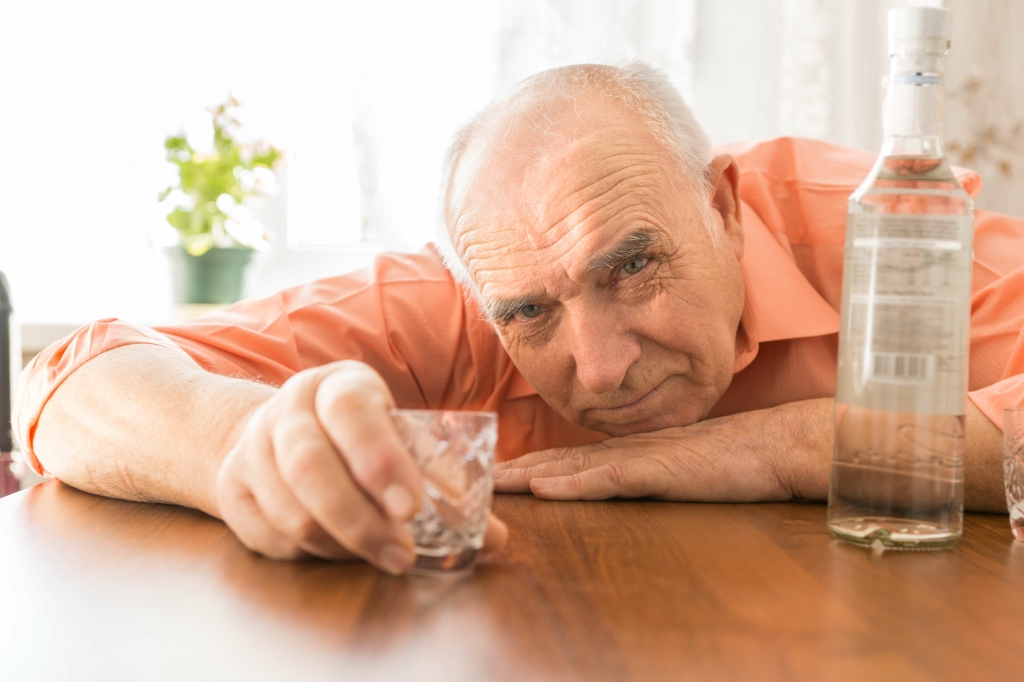
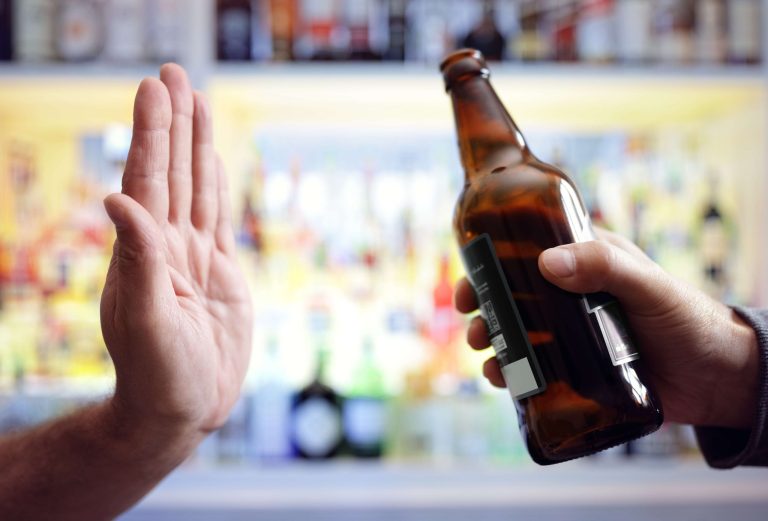
Out of 743 toxicological autopsies, 28 (3.7%) indicated poison-related suicides and13% indicated suicides not poison-related. Toxicological analyses on blood, urine, and vitreous humor revealed that 70% of the cases had involved drugs of abuse (morphine and psychostimulants) and ethanol. According to the American Dietary Guidelines, moderate alcohol intake includes two drinks or less in a day for men or one drink or less in a day for women. If you drink too often, misuse alcohol like binge drink, or drink to the point of blacking out, it can cause many physical and mental health issues in the long term. When struggling with suicidal thoughts and tendencies, it’s common to want to escape the pain you’re feeling inside.
How to Overcome Suicide Ideation
In addition to an individual’s unique circumstances, wider societal problems can contribute to suicidal thoughts. A Centers for Disease Control and Prevention study found that young people who identify as lesbian, gay, or bisexual are more likely to attempt suicide than straight high schoolers (4). Similarly, American Indian/Alaska Native populations have higher suicide rates than other groups (5). hypertension Other demographics more at risk for suicide include veterans; people who work in certain industries, such as mining and construction (6); and people living in rural areas (7).Some medications and hormonal conditions can also cause or exacerbate suicidal thoughts. People struggling with suicidal ideation should talk to a health care professional who can review and assess their medical history.
Drinking and suicide: How alcohol use increases risks, and what can be done about it
Their approach was followed in subsequent revisions of suicide terminology. The researchers found that during the study period, the proportion of suicides involving a BAC greater than or equal to 0.08 g/dL significantly increased each year for women of all age groups. In contrast, only middle-aged men had a significant yearly increase in alcohol-involved suicides. To properly plan preventive actions, it is necessary to determine the scale of a particular problem. Poland does not have one statistical database with the number of suicides.
Understanding the Dangers of Alcohol Overdose
It can cause alcohol poisoning or lead to other dangers like motor vehicle accidents. However, alcoholism and alcohol misuse can significantly increase one’s risk of death by suicide. Depression is frequently a precursor of alcohol abuse, but alcoholism may also trigger or exacerbate depression. Suicidal behavior usually occurs early in the course of mood disorders, but only in the final phase of alcohol abuse when social marginalization and poverty, the somatic complications of alcoholism and the breakdown of important social bonds have taken over.

Climatic and diurnal variation in suicide attempts in the ED
- The analysis does not include the ICD-10 code X84 “Intentional self-harm by unspecified means”, which could involve poisoning suicide attempts.
- Suicide, heart disease and cancer are consistently among the top 10 causes of death of Canadians, and alcohol increases the risk of all of these killers.
- Tapert et al. [164] found that alcohol-dependent women showed less differential response to working memory than controls in frontal and parietal regions, especially in the right hemisphere.
- It has been suggested that alcohol may influence an individual’s decision to complete suicide, but few studies have investigated this possibility [100].
Especially vulnerable populations include women, military personnel and youth. This retrospective study was conducted at Beijing Anding Hospital, Capital Medical University, from January 2020 to December 2021. Patients with psychiatric drug overdose suicide attempts presenting to the psychiatric ED were included. Sociodemographic characteristics and the specific classes of drugs involved were collected, and analysed descriptively. Our findings indicate that these 3 causes of death merit individual consideration, and their underlying causes and optimal prevention strategies may differ in nature, intensity, and duration across populations and contexts. Alcohol use disorder has an enormous impact on relationships, generating ambivalence and anger.
How Prevalent Is Substance Misuse and Suicide in the United States?
In 1997, Harris and Barraclough, in their unusually comprehensive meta-analysis analyzed 32 papers related to alcohol dependence and abuse, comprising a population of over 45,000 individuals [34]. They found that combining the studies gave a suicide risk almost six times that expected but with variation of 1–60 times. Specifically, they found that the suicide risk for females was very much greater than for males, about 20 times that expected compared with four for males.
It can be hard to decide if you think someone is drunk enough to need medical help. You may worry about what will happen to you or a friend or family member, especially if underage. People with problematic alcohol use are also a vulnerable population and we owe them a special duty of care; that should also inform public policies.
Until 2013, the statistics of the GPHP always showed the number of suicides, which was about 2000 less than the number reported by the GUS. In the year 2013, GPHP changed the method easy ways to read drug test results of collecting and generating statistical data on suicide attempts. Previously, the data were entered into the system after an investigation and termination of procedures.
Increasing the person’s social acceptance is one of the means to reduce suicide thinking. In fact, people with alcohol abuse often are afflicted with self-blame and may feel rewarded or vindicated when the self-fulfilling prophecy of being rejected is realized. Fostering and strengthening positive values may indirectly reduce suicide risk by rendering life more pleasurable.

Using the psychological autopsy method, Heilä et al. [254] investigated schizophrenic subjects in whom active illness and depressive symptoms were highly prevalent immediately before suicide and a history of suicide attempts was common. Women were more likely to have committed suicide during an acute exacerbation of the illness. Alcoholism was most common among middle-aged men (45%), whereas middle-aged women had a high rate of depressive symptoms (88%). They noted that younger male subjects most often used violent suicide methods. Reducing alcohol consumption, thereby rendering the person less abusing and less dependent, may focus on socially reinforcing the sober condition rather than blaming alcohol intake.
Suicidal poisoning refers to intoxication with carbon monoxide contained in the light gas. Suicide cannot be ruled out when a dead body is found in a garage and the CO is released in car exhaust fumes [22]. Relative frequencies of various methods used for self-harm have varied over time, and they do vary by setting, population type, and country [19]. Suicide, heart disease and cancer are consistently among the top 10 causes of death of Canadians, and alcohol increases the risk of all of these killers. Get professional help from an addiction and mental health counselor from BetterHelp. Using alcohol with opioid pain relievers, such as oxycodone and morphine, or illicit opioids, such as heroin, is also a very dangerous combination.
“The key finding is that the data showed alcohol misuse is common among people who are suicidal,” said Kaplan, a faculty member at the UCLA Luskin School of Public Affairs. “Those who drank, drank heavily in the hour before taking their lives. Fewer than half of those who were alcohol positive at the time of death had a history of alcohol-related problems.” Drug poisoning can also be of a mixed nature, especially if multi-drug poisoning or alcohol and drug poisoning occurs [12].
“These percentages are much higher than you’d find in the general population,” said J. Raymond DePaulo, Jr., M.D., the Henry Phipps professor and chair of the Department of Psychiatry and Behavioral Sciences at Johns Hopkins University School of Medicine, in an interview with Psychiatric News. And V.P.; writing—original draft preparation, G.D.A. and G.M.; writing—review and editing, A.A., S.Z. All authors have read and agreed to the published version of the manuscript. The WHO stated that self-poisoning using pesticides is one of the leading causes of suicide worldwide. Regulation and adequate legislation may considerably prevent this phenomenon.
The exclusion criteria for individuals in the sample were unintentional overdoses (e.g., medication misuse due to illness or recreational drug use without suicidal intent), nondrug poisons (e.g., chemicals), or overdoses solely involving alcohol, regardless of intent. Universal preventive interventions are directed to the entire population, selective interventions target people at greater risk for suicidal behavior, and indicated preventions are targeted at individuals who have already exhibited self-destructive behavior. People with psychiatric disorders, alcohol and/or drug abuse, newly diagnosed severe physical illness, past suicide attempts, homelessness, institutionalization, and other types of social exclusion are the object of selective interventions.
In today’s world, unfortunately, many people have a relationship with suicide. Whether a close personal relationship or that of a friend, suicide claims the lives of thousands each year. While there is rarely one reason behind a person’s death by suicide, it has been found that nearly 1/3 of suicide deaths have been linked to alcohol consumption. Teenagers and young adults who drink may be at particular risk for alcohol overdose.
Symptoms of alcohol overdose include mental confusion, difficulty remaining conscious, vomiting, seizures, trouble breathing, slow heart rate, clammy skin, dulled responses (such as no gag reflex, which prevents choking), and extremely low body temperature. Toxicology testing after suicide deaths varied widely among the states reporting, from 25.9 percent in Oregon to 97.7 percent in Virginia. Local policy and preferences of individual coroners or medical examiners seem to decide treatment national institute on drug abuse nida which suicide cases are tested for substance traces. Those officials may more frequently target cases in which alcohol or drugs are suspected to have caused or contributed to the deaths, but conduct toxicology tests less often when the cause of death seems clear and unrelated to substance use. In the USA, an elective study by Cuchara et al. [21] of suicide cases where autopsy was carried out revealed that out of 394 cases, 71 (18%) were attributable to poison intake.